
Roof Tiling
Roof tiling in the UK is hugely regional. The materials, colours, shapes and installation methods often reflect local geology, weather, historical trade routes and planning traditions. You can often tell where a building is from just by looking at its roof.
Main UK Roof Tile Types
The variation comes from four big factors:
1. Local geology
Areas used whatever stone or clay was nearby.2. Weather
Slate performs well in wet windy western regions.3. Trade history
Pantiles spread through Dutch coastal trade.4. Planning & heritage
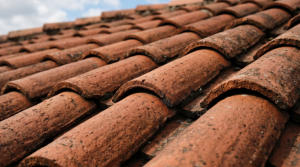
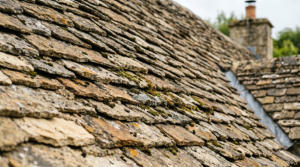
Historic regions preserve traditional materials. Before regional differences, these are the major roofing materials used across Britain: Roof tiling in the United Kingdom reflects centuries of regional identity, shaped by geology, climate, economics and local craftsmanship. Unlike many countries where roofing styles became standardized through industrialization, Britain retained strong local traditions well into the modern period. Even today, the roofscape of a town or village often reveals its regional history. The warm clay-tiled roofs of Kent, the dark slate roofs of Wales, the stone slates of Yorkshire and the sweeping pantiles of East Anglia all tell stories about local materials, trade routes and changing patterns of settlement. In southern England, particularly in counties such as Kent, Sussex, Surrey and Hampshire, clay tiles became the dominant roofing material. These areas possessed rich clay deposits that made tile production relatively inexpensive and accessible from the medieval period onward. The typical southern English roof is steeply pitched and covered in small clay plain tiles or handmade peg tiles, producing the textured red and orange roofscapes associated with traditional English villages. In Kent especially, tile-making became an important rural industry and many houses developed the distinctive practice of “tile hanging,” where tiles were used not only on roofs but also on exterior walls as protection against rain and wind. These roofs evolved partly as a response to England’s damp climate, but also because tiled roofs were considered safer than thatch after devastating urban fires during the medieval and early modern periods. Along the eastern coast of England, including Norfolk, Suffolk, Lincolnshire and parts of Yorkshire, a very different roofing tradition emerged through the use of pantiles. Pantiles are curved, S-shaped clay tiles that overlap in a distinctive wave pattern. Their appearance in Britain was closely connected to trade with the Netherlands during the seventeenth and eighteenth centuries. Dutch ships arriving in English ports often carried pantiles as ballast, and the style gradually spread through coastal communities. Pantiles required fewer tiles per roof than traditional plain tiles, making them cheaper and faster to install. Over time, they became strongly associated with East Anglia and the North Sea coast. The flowing rooflines produced by pantiles remain one of the clearest visual markers of eastern English architecture. Double Roman tiles are a much more modern roofing product, developed mainly for mass housing in the twentieth century. Despite the name, they are not genuinely Roman in origin. The name refers to their appearance, which vaguely resembles rows of curved Roman roofing forms. London developed a more mixed roofing tradition because of its enormous expansion during the Georgian and Victorian eras. Earlier buildings often used clay tiles similar to those found in the south-east, but the nineteenth century brought a dramatic shift toward slate roofing. The rapid industrial growth of Victorian London coincided with the expansion of railway networks, which made it economically viable to transport large quantities of slate from Wales. As a result, rows of dark slate roofs became characteristic of London terraces and industrial housing. After the Second World War, however, the city increasingly adopted cheaper concrete interlocking tiles for suburban development and reconstruction projects, creating the varied roofscape seen across modern London today. Wales is perhaps the region most closely associated with slate roofing. The mountainous geology of north Wales provided abundant deposits of high-quality slate and during the nineteenth century Welsh slate became one of Britain’s most important industrial exports. Vast quarries at places such as Penrhyn and Dinorwic supplied roofing material not only for Britain but for buildings around the world. Welsh slate was prized for its durability, fire resistance, and elegant blue-grey colour. Roofs constructed with natural slate could last well over a century, making slate the ideal material for areas exposed to heavy rain and strong winds. The widespread use of slate gave Welsh towns and villages a distinctive dark, uniform appearance that remains visually striking today. Scotland developed two parallel roofing traditions influenced by both climate and trade. In the wetter western Highlands and islands, slate roofing dominated because of its ability to withstand severe weather conditions. On the eastern coast, however, pantiles became common due to strong historical trading connections with the Netherlands and Scandinavia. Towns in Fife, Angus and Aberdeenshire often display rows of red pantiled roofs that differ dramatically from the slate landscapes of western Scotland. Scottish roofing techniques also evolved to cope with harsher weather, with stronger timber structures, rigid boarding systems and more wind-resistant detailing than those commonly found further south. In northern England, particularly in Cumbria and the Pennines, local stone and slate heavily influenced roofing styles. The Lake District became famous for its green-grey slate roofs, created using stone quarried directly from the surrounding mountains. Meanwhile, Yorkshire and the Pennine regions developed one of Britain’s most distinctive traditions through the use of stone slates. Unlike thin slate tiles, stone slates are thick sandstone slabs laid in diminishing courses, with the largest stones at the bottom and smaller ones near the ridge. These roofs required exceptionally strong roof timbers because of their immense weight, yet they produced dramatic textures and extraordinary durability. The heavy stone roofs of the Yorkshire Dales and Peak District remain among the defining features of northern vernacular architecture. The Cotswolds possess another highly recognizable roofing style based on local limestone. Cotswold stone slates are honey-coloured and visually harmonious with the limestone walls beneath them, creating the picturesque appearance associated with villages such as Bibury and Bourton-on-the-Water. These roofs are expensive and labour-intensive to construct, but they contribute significantly to the architectural identity of the region. Conservation laws today often require traditional materials to be maintained or carefully replicated, ensuring the survival of this historic appearance. In the South West of England, particularly in Cornwall and Devon, slate once again became dominant because of the region’s geology. Coastal towns and rural cottages frequently display dark slate roofs capable of enduring Atlantic storms and driving rain. Somerset, however, forms an interesting transitional zone where both clay tiles and pantiles became common. The town of Bridgwater developed into a major centre of tile production, helping spread clay roofing materials across parts of the west country. Thatch also survived longer in the south-west than in many industrialized regions, and thatched cottages remain an important feature of rural landscapes in Devon and Somerset. The Midlands historically acted as a meeting point between the roofing traditions of north and south. Southern parts of the region commonly used clay plain tiles, while northern and western areas increasingly adopted slate during the industrial era. Today the Midlands contains a wide mixture of roofing materials, including modern concrete interlocking tiles that became widespread after the Second World War. Modern roofing across Britain has become more standardized due to industrial manufacturing and modern construction practices. Concrete tiles, synthetic slate, and fibre-cement roofing are now widely used because they are inexpensive and easy to install. Nevertheless, traditional regional materials continue to shape British architecture, especially in conservation areas and historic towns where planning regulations often require roofs to match local heritage styles. In many parts of the UK, replacing a slate roof with concrete tiles or altering the colour and texture of traditional roofing materials can require special permission. Ultimately, the diversity of roof tiling in the United Kingdom reflects the broader history of the country itself. Local geology determined which materials were available; climate influenced which roofs performed best; trade introduced new forms such as pantiles; and industrialization altered patterns of transport and construction. Although modern materials are increasingly common, Britain’s regional roofscapes remain among the most visible and enduring expressions of local identity and historical continuity.
Type
Typical Appearance
Common Regions
Notes
Clay plain tiles
Small flat reddish tiles
South East, Midlands
Traditional English look
Pantiles
Wavy S-shaped tiles
East coast, Scotland
Dutch influence
Slate
Thin dark stone slabs
Wales, Scotland, North West
Long-lasting and weather resistant
Stone slate
Thick stone slabs
Cotswolds, Pennines, Yorkshire
Heavy and expensive
Concrete tiles
Modern interlocking
Nationwide
Cheap and common after WWII
Thatch
Straw/reed
Rural south and west
Historic vernacular






© 2016

Main UK Roof Tile Types
The variation comes from four big factors:
1. Local geology
Areas used whatever stone or clay was nearby.2. Weather
Slate performs well in wet windy western regions.3. Trade history
Pantiles spread through Dutch coastal trade.4. Planning & heritage
Historic regions preserve traditional materials. Before regional differences, these are the major roofing materials used across Britain: Roof tiling in the United Kingdom reflects centuries of regional identity, shaped by geology, climate, economics and local craftsmanship. Unlike many countries where roofing styles became standardized through industrialization, Britain retained strong local traditions well into the modern period. Even today, the roofscape of a town or village often reveals its regional history. The warm clay-tiled roofs of Kent, the dark slate roofs of Wales, the stone slates of Yorkshire and the sweeping pantiles of East Anglia all tell stories about local materials, trade routes and changing patterns of settlement. In southern England, particularly in counties such as Kent, Sussex, Surrey and Hampshire, clay tiles became the dominant roofing material. These areas possessed rich clay deposits that made tile production relatively inexpensive and accessible from the medieval period onward. The typical southern English roof is steeply pitched and covered in small clay plain tiles or handmade peg tiles, producing the textured red and orange roofscapes associated with traditional English villages. In Kent especially, tile-making became an important rural industry and many houses developed the distinctive practice of “tile hanging,” where tiles were used not only on roofs but also on exterior walls as protection against rain and wind. These roofs evolved partly as a response to England’s damp climate, but also because tiled roofs were considered safer than thatch after devastating urban fires during the medieval and early modern periods. Along the eastern coast of England, including Norfolk, Suffolk, Lincolnshire and parts of Yorkshire, a very different roofing tradition emerged through the use of pantiles. Pantiles are curved, S-shaped clay tiles that overlap in a distinctive wave pattern. Their appearance in Britain was closely connected to trade with the Netherlands during the seventeenth and eighteenth centuries. Dutch ships arriving in English ports often carried pantiles as ballast, and the style gradually spread through coastal communities. Pantiles required fewer tiles per roof than traditional plain tiles, making them cheaper and faster to install. Over time, they became strongly associated with East Anglia and the North Sea coast. The flowing rooflines produced by pantiles remain one of the clearest visual markers of eastern English architecture. Double Roman tiles are a much more modern roofing product, developed mainly for mass housing in the twentieth century. Despite the name, they are not genuinely Roman in origin. The name refers to their appearance, which vaguely resembles rows of curved Roman roofing forms. London developed a more mixed roofing tradition because of its enormous expansion during the Georgian and Victorian eras. Earlier buildings often used clay tiles similar to those found in the south-east, but the nineteenth century brought a dramatic shift toward slate roofing. The rapid industrial growth of Victorian London coincided with the expansion of railway networks, which made it economically viable to transport large quantities of slate from Wales. As a result, rows of dark slate roofs became characteristic of London terraces and industrial housing. After the Second World War, however, the city increasingly adopted cheaper concrete interlocking tiles for suburban development and reconstruction projects, creating the varied roofscape seen across modern London today. Wales is perhaps the region most closely associated with slate roofing. The mountainous geology of north Wales provided abundant deposits of high-quality slate and during the nineteenth century Welsh slate became one of Britain’s most important industrial exports. Vast quarries at places such as Penrhyn and Dinorwic supplied roofing material not only for Britain but for buildings around the world. Welsh slate was prized for its durability, fire resistance, and elegant blue-grey colour. Roofs constructed with natural slate could last well over a century, making slate the ideal material for areas exposed to heavy rain and strong winds. The widespread use of slate gave Welsh towns and villages a distinctive dark, uniform appearance that remains visually striking today. Scotland developed two parallel roofing traditions influenced by both climate and trade. In the wetter western Highlands and islands, slate roofing dominated because of its ability to withstand severe weather conditions. On the eastern coast, however, pantiles became common due to strong historical trading connections with the Netherlands and Scandinavia. Towns in Fife, Angus and Aberdeenshire often display rows of red pantiled roofs that differ dramatically from the slate landscapes of western Scotland. Scottish roofing techniques also evolved to cope with harsher weather, with stronger timber structures, rigid boarding systems and more wind-resistant detailing than those commonly found further south. In northern England, particularly in Cumbria and the Pennines, local stone and slate heavily influenced roofing styles. The Lake District became famous for its green-grey slate roofs, created using stone quarried directly from the surrounding mountains. Meanwhile, Yorkshire and the Pennine regions developed one of Britain’s most distinctive traditions through the use of stone slates. Unlike thin slate tiles, stone slates are thick sandstone slabs laid in diminishing courses, with the largest stones at the bottom and smaller ones near the ridge. These roofs required exceptionally strong roof timbers because of their immense weight, yet they produced dramatic textures and extraordinary durability. The heavy stone roofs of the Yorkshire Dales and Peak District remain among the defining features of northern vernacular architecture. The Cotswolds possess another highly recognizable roofing style based on local limestone. Cotswold stone slates are honey-coloured and visually harmonious with the limestone walls beneath them, creating the picturesque appearance associated with villages such as Bibury and Bourton-on- the-Water. These roofs are expensive and labour-intensive to construct, but they contribute significantly to the architectural identity of the region. Conservation laws today often require traditional materials to be maintained or carefully replicated, ensuring the survival of this historic appearance. In the South West of England, particularly in Cornwall and Devon, slate once again became dominant because of the region’s geology. Coastal towns and rural cottages frequently display dark slate roofs capable of enduring Atlantic storms and driving rain. Somerset, however, forms an interesting transitional zone where both clay tiles and pantiles became common. The town of Bridgwater developed into a major centre of tile production, helping spread clay roofing materials across parts of the west country. Thatch also survived longer in the south-west than in many industrialized regions, and thatched cottages remain an important feature of rural landscapes in Devon and Somerset. The Midlands historically acted as a meeting point between the roofing traditions of north and south. Southern parts of the region commonly used clay plain tiles, while northern and western areas increasingly adopted slate during the industrial era. Today the Midlands contains a wide mixture of roofing materials, including modern concrete interlocking tiles that became widespread after the Second World War. Modern roofing across Britain has become more standardized due to industrial manufacturing and modern construction practices. Concrete tiles, synthetic slate, and fibre- cement roofing are now widely used because they are inexpensive and easy to install. Nevertheless, traditional regional materials continue to shape British architecture, especially in conservation areas and historic towns where planning regulations often require roofs to match local heritage styles. In many parts of the UK, replacing a slate roof with concrete tiles or altering the colour and texture of traditional roofing materials can require special permission. Ultimately, the diversity of roof tiling in the United Kingdom reflects the broader history of the country itself. Local geology determined which materials were available; climate influenced which roofs performed best; trade introduced new forms such as pantiles; and industrialization altered patterns of transport and construction. Although modern materials are increasingly common, Britain’s regional roofscapes remain among the most visible and enduring expressions of local identity and historical continuity.Roof Tiling
Roof tiling in the UK is hugely regional. The materials, colours, shapes and installation methods often reflect local geology, weather, historical trade routes and planning traditions. You can often tell where a building is from just by looking at its roof.
Type
Typical Appearance
Common Regions
Notes
Clay plain tiles
Small flat reddish tiles
South East, Midlands
Traditional English look
Pantiles
Wavy S-shaped tiles
East coast, Scotland
Dutch influence
Slate
Thin dark stone slabs
Wales, Scotland, North West
Long-lasting and weather resistant
Stone slate
Thick stone slabs
Cotswolds, Pennines, Yorkshire
Heavy and expensive
Concrete tiles
Modern interlocking
Nationwide
Cheap and common after WWII
Thatch
Straw/reed
Rural south and west
Historic vernacular
 About
About
 Products
 Quotations
 Technical
 News
News
 Blog
Blog
 Inspiring Oak Frame Extension Ideas for Your Home
- Which Extension Style Should You choose?
 Jungle of Regulation Is Choking Small-Scale Development
 Is an Oak Frame Conservatory the Perfect Extension for Your Home?
 Oak Frame Flat Roof Extensions
 What should I consider when designing an oak frame extension?
 Contact
 Frequently Asked Questions
 Self Build
 Oak Frame Design
 Grades of Oak
 Longevity of Oak
 Services
 The Process
 Design Requirements
 Site Preparation
 Sustainability
 Construction Methods
 Feasibility Study
 Gallery
 Garages
 Single Storey Garages
 Two Storey Garages
 Garage Complexes
 Extensions
 Garden Rooms
 More Info
 Conservatories
 More Info
 Traditional Orangeries
 Mansard Orangeries
 Garden Buildings
 Annexes
 Entertainment Spaces
 Home Offices
 Shelters
 Pool Buildings
 Stables
 House Designs
 Commercial
 Barn Buildings
 Sport Buildings
 Bespoke Buildings
 Single Storey Garage
 Two Storey Garage
 Garden Rooms, Orangeries & Offices
 Design
 Architectural Design
 Case Studies
 Oak Framing History
 Glossary of Oak Framing
 Oak Patina
 Garage Frame Sections
 Cladding
 Planning
 Planning Reports
 Building Regulations
 Non-Designated Heritage Assets
 Caravan Sites
 Groundworks
 Assembly
 Supply Only Kits
 Turnkey Projects
 Joinery
 Glazing Options
 Lanterns
 Roof Works
 Roof Styles
 Roof Trusses
 Roof Tiling
 Albion Oak
 Employee of the Month
menu html5 by Css3Menu.com


© 2016 - Need help? Contact us on 07967 778808
