Longevity of oak frame buildings
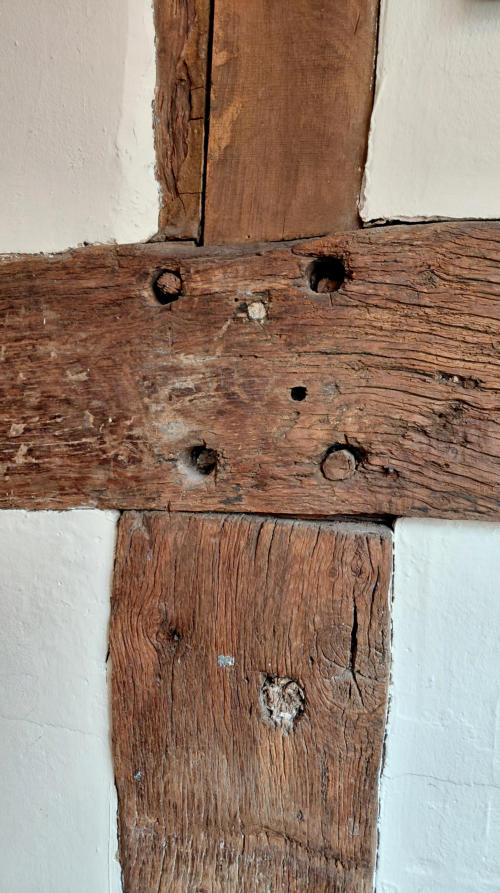
It’s a question we regularly get asked, “how long would my oak frame building last?” and without being flippant, our reply would be “How long do you plan on living as it will certainly outlast you” An oak-frame building can last hundreds of years - often 300 to 800+ years - if it’s well designed, built and maintained.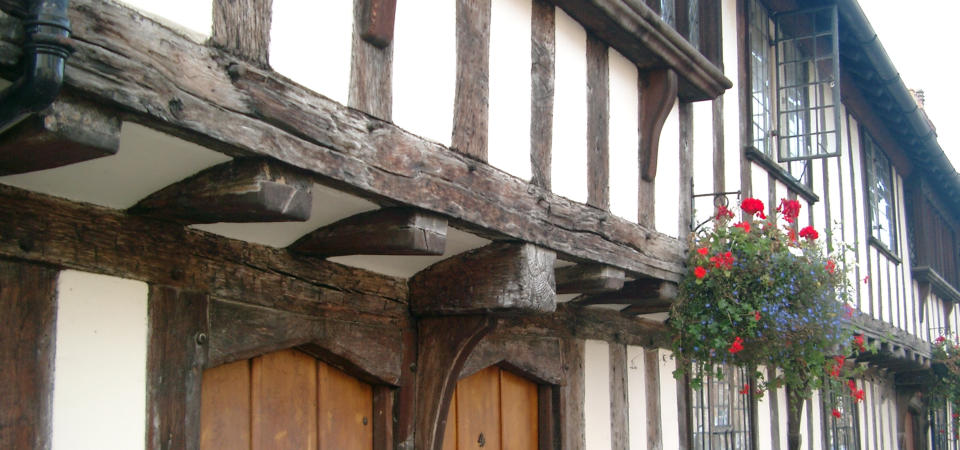
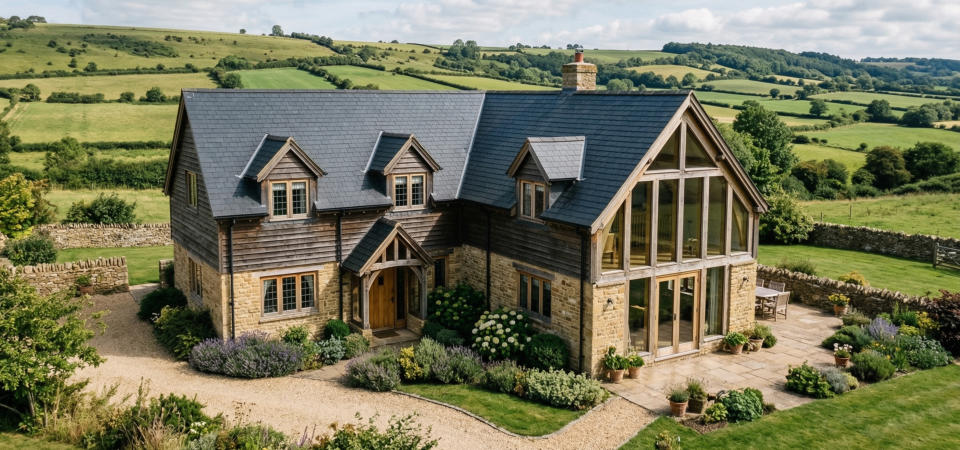
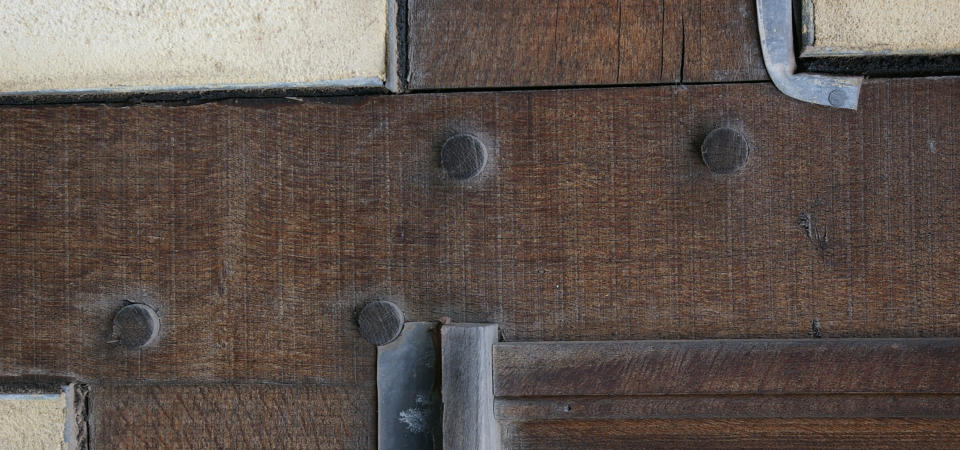
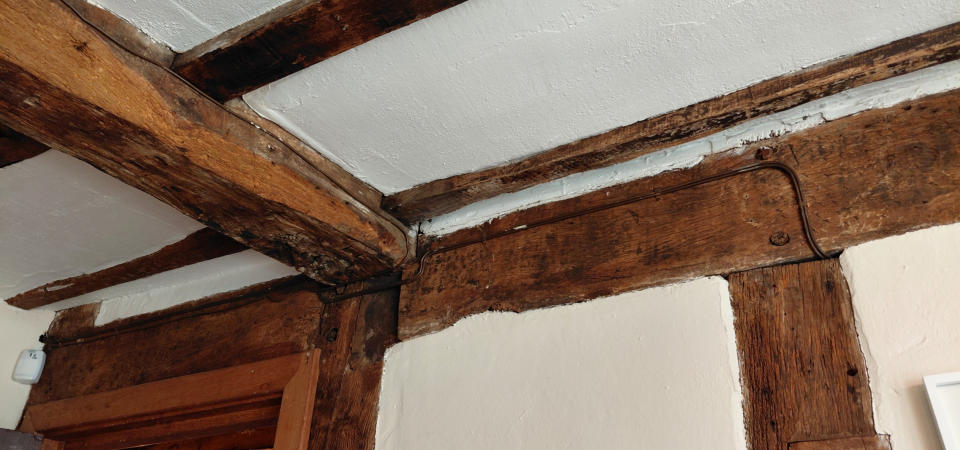
Why oak frames last so long
• Durability of oak: Oak is a very dense hardwood, naturally resistant to rot, fungi and insects. • Strength over time: Oak actually hardens as it ages, especially the heartwood. • Traditional joinery: Mortice-and-tenon joints (wood-to-wood, no nails) allow the structure to flex slightly without failing.Real-world examples
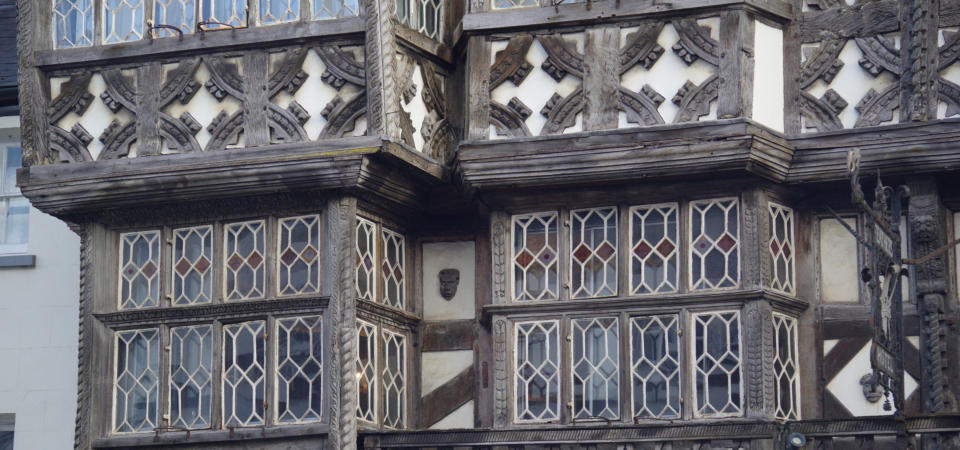
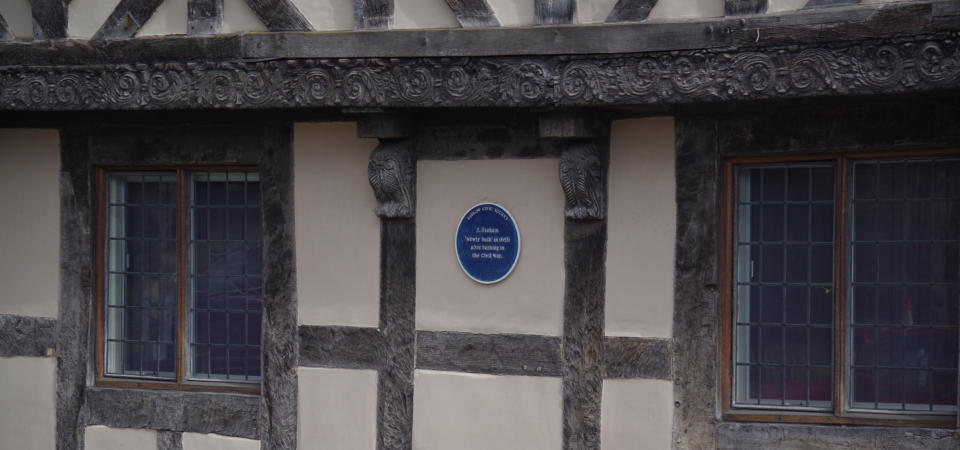
Many timber-framed buildings in places like York and Stratford-upon- Avon date back to the 14th–16th centuries and are still standing today. Even our closest city Wolverhampton which is not well known as being in an oak frame area has examples of surviving structures that are still being used today. The best-known example is the timber-framed house at 19 Victoria Street (often remembered as the old Hand Inn). It’s tucked away in amongst the large Mander shopping centre units on a now pedestrianised street. It dates to the early 16th century (1500’s) Built using a traditional oak timber frame and has survived fires, redevelopment, and Victorian demolitions Later used as: • a tannery (1600s) • a pub (Hand Inn) • tea shop / café • modern retail unit It’s one of only a couple of timber-framed buildings left in the city centre today and currently used as an excellent little cafe. The outskirts of Wolverhampton is also home to a number of other impressive oak buildings. Boscobel House at Bishops Wood to the West is a timber-framed building and that frame would historically have been made largely from oak. Built around 1632 constructed using a traditional timber oak frame, which was the standard structural wood in England at the time. The visible structure is partly concealed today by later brick and render, but the core frame is still timber Originally a hunting lodge built for the Giffard family and designed in a fairly modest, practical style compared to grand manor houses Uses the classic post-and-beam oak framing system, oak was the dominant building timber in England It provided strength, longevity and resistance to decay.Historical significance
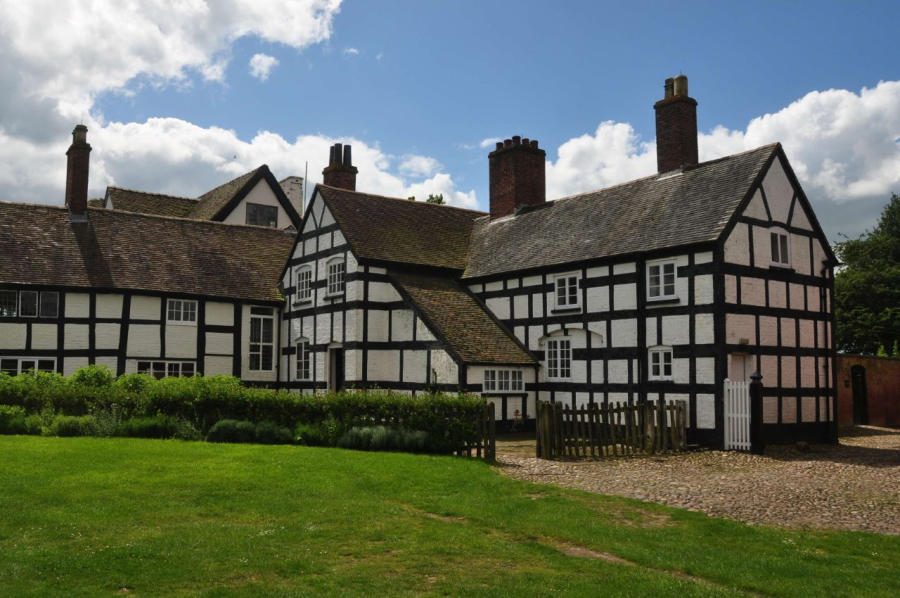
Boscobel House is especially famous because: • Charles II hid there after the Battle of Worcester • He also famously sheltered in the nearby Royal Oak tree Moseley Old Hall is one of the best-preserved oak timber-framed houses in the West Midlands, with a history stretching back to the late 16th century. The building itself was built around 1600 and constructed using a traditional oak frame, with timber beams forming the structural skeleton Originally a farmhouse, not a grand manor, it was extended and altered over time, but the core oak structure remains intact. The house shows classic features of English timber framing: • Exposed beams (inside) • Wattle-and-daub infill (originally) • A slightly irregular, organic layout typical of buildings that evolved over time Moseley Old Hall is also famous for its role in the escape of Charles II After the Battle of Worcester, he arrived here exhausted and in hiding. While at the house: • He was cared for by the Whitgreave family (Catholic Royalist supporters) • His hair was cut to disguise him • He rested before moving on to Boscobel House This stop was a crucial part of his dramatic escape. Oak framing was common from the 13th–17th centuries but Wolverhampton industrialised heavily, so: • Many timber buildings were demolished or rebuilt in brick • Others were encased and hidden That’s why nearby rural estates and smaller towns preserved more examples. Wightwick Manor is one of the most striking historic houses near Wolverhampton - but it’s a bit different from the older oak-frame buildings. Is it an oak-framed building? Sort of - but not in the traditional medieval sense. Built in 1887, with an extension in 1893 and designed in a revival style, inspired by Tudor timber-framed houses. It uses timber framing (including oak), but mainly as a decorative and stylistic feature, not the primary structural system in the old sense So it looks like a classic black-and-white oak house, but it’s actually a Victorian reinterpretation of that tradition. Wightwick Manor is a standout example of the Arts and Crafts movement, designed by architect Edward Ould and built for the Mander family (industrialists) Key features: • Half-timbered exterior (Tudor style) • Steep gables and patterned brickwork • Handcrafted details throughoutWhat affects the lifespan of oak?
An oak frame’s longevity depends heavily on: • Moisture control (most important) • Constant dampness is the biggest enemy. Good drainage, roofing and ventilation are crucial.Design details
Features like wide roof overhangs and raised plinths protect the timber from water.Maintenance
Regular inspections, fixing leaks quickly and keeping joints dry can extend life dramatically.Infill materials
Traditional breathable materials (like lime plaster) help preserve the frame better than modern impermeable ones, however with careful design and choice of materials they will still last for many hundreds of years.Modern oak-frame homes
New oak-frame houses built today are typically designed to last at least 100–200+ years, but realistically much longer if cared for properly - potentially matching historic examples. Modern oak frame buildings can be built in the old half timbered style or as modern contemporary structures but they will still retain the longevity of previous buildings if looked after. Modern living usually requires a lighter airy living space than what was traditionally possible with oak so today modern garden rooms and orangeries are designed with both oak and glass heavily featured. Older oak structures can even be repaired by splicing new oak into the frame to replace parts that have rotted. This is work that should be carried out by specialists - we can advise if you are looking to repair an older oak structure.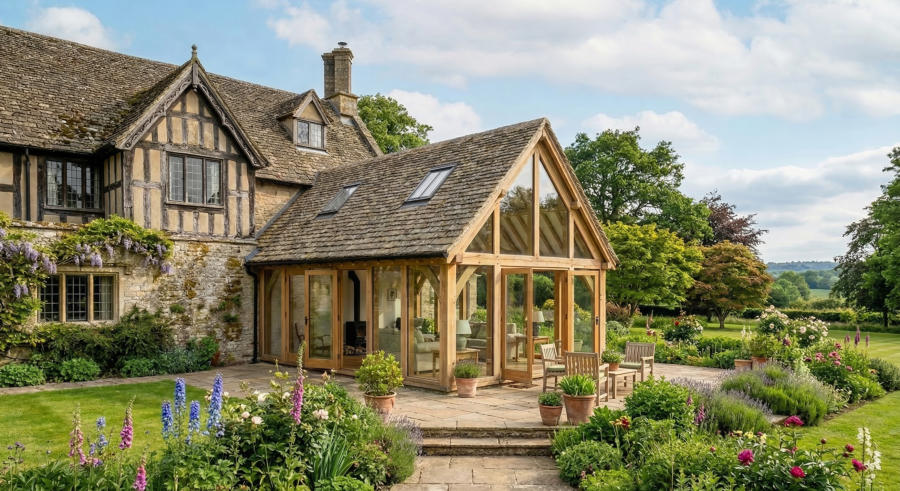



© 2016

Longevity of oak
frame buildings
It’s a question we regularly get asked, “how long would my oak frame building last?” and without being flippant, our reply would be “How long do you plan on living as it will certainly outlast you” An oak-frame building can last hundreds of years - often 300 to 800+ years - if it’s well designed, built and maintained.Why oak frames last so long
• Durability of oak: Oak is a very dense hardwood, naturally resistant to rot, fungi and insects. • Strength over time: Oak actually hardens as it ages, especially the heartwood. • Traditional joinery: Mortice-and-tenon joints (wood-to-wood, no nails) allow the structure to flex slightly without failing.Real-world examples
Many timber-framed buildings in places like York and Stratford-upon-Avon date back to the 14th–16th centuries and are still standing today. Even our closest city Wolverhampton which is not well known as being in an oak frame area has examples of surviving structures that are still being used today. The best-known example is the timber-framed house at 19 Victoria Street (often remembered as the old Hand Inn). It’s tucked away in amongst the large Mander shopping centre units on a now pedestrianised street. It dates to the early 16th century (1500’s) Built using a traditional oak timber frame and has survived fires, redevelopment, and Victorian demolitions Later used as: • a tannery (1600s) • a pub (Hand Inn) • tea shop / café • modern retail unit It’s one of only a couple of timber-framed buildings left in the city centre today and currently used as an excellent little cafe. The outskirts of Wolverhampton is also home to a number of other impressive oak buildings. Boscobel House at Bishops Wood to the West is a timber-framed building and that frame would historically have been made largely from oak. Built around 1632 constructed using a traditional timber oak frame, which was the standard structural wood in England at the time. The visible structure is partly concealed today by later brick and render, but the core frame is still timber Originally a hunting lodge built for the Giffard family and designed in a fairly modest, practical style compared to grand manor houses Uses the classic post-and-beam oak framing system, oak was the dominant building timber in England It provided strength, longevity and resistance to decay.Historical significance
Boscobel House is especially famous because: • Charles II hid there after the Battle of Worcester • He also famously sheltered in the nearby Royal Oak tree Moseley Old Hall is one of the best-preserved oak timber-framed houses in the West Midlands, with a history stretching back to the late 16th century. The building itself was built around 1600 and constructed using a traditional oak frame, with timber beams forming the structural skeleton Originally a farmhouse, not a grand manor, it was extended and altered over time, but the core oak structure remains intact. The house shows classic features of English timber framing: • Exposed beams (inside) • Wattle-and-daub infill (originally) • A slightly irregular, organic layout typical of buildings that evolved over time Moseley Old Hall is also famous for its role in the escape of Charles II After the Battle of Worcester, he arrived here exhausted and in hiding. While at the house: • He was cared for by the Whitgreave family (Catholic Royalist supporters) • His hair was cut to disguise him • He rested before moving on to Boscobel House This stop was a crucial part of his dramatic escape. Oak framing was common from the 13th–17th centuries but Wolverhampton industrialised heavily, so: • Many timber buildings were demolished or rebuilt in brick • Others were encased and hidden That’s why nearby rural estates and smaller towns preserved more examples. Wightwick Manor is one of the most striking historic houses near Wolverhampton - but it’s a bit different from the older oak-frame buildings. Is it an oak-framed building? Sort of - but not in the traditional medieval sense. Built in 1887, with an extension in 1893 and designed in a revival style, inspired by Tudor timber-framed houses. It uses timber framing (including oak), but mainly as a decorative and stylistic feature, not the primary structural system in the old sense So it looks like a classic black-and-white oak house, but it’s actually a Victorian reinterpretation of that tradition. Wightwick Manor is a standout example of the Arts and Crafts movement, designed by architect Edward Ould and built for the Mander family (industrialists) Key features: • Half-timbered exterior (Tudor style) • Steep gables and patterned brickwork • Handcrafted details throughoutWhat affects the lifespan of oak?
An oak frame’s longevity depends heavily on: • Moisture control (most important) • Constant dampness is the biggest enemy. Good drainage, roofing and ventilation are crucial.Design details
Features like wide roof overhangs and raised plinths protect the timber from water.Maintenance
Regular inspections, fixing leaks quickly and keeping joints dry can extend life dramatically.Infill materials
Traditional breathable materials (like lime plaster) help preserve the frame better than modern impermeable ones, however with careful design and choice of materials they will still last for many hundreds of years.Modern oak-frame homes
New oak-frame houses built today are typically designed to last at least 100–200+ years, but realistically much longer if cared for properly - potentially matching historic examples. Modern oak frame buildings can be built in the old half timbered style or as modern contemporary structures but they will still retain the longevity of previous buildings if looked after. Modern living usually requires a lighter airy living space than what was traditionally possible with oak so today modern garden rooms and orangeries are designed with both oak and glass heavily featured. Older oak structures can even be repaired by splicing new oak into the frame to replace parts that have rotted. This is work that should be carried out by specialists - we can advise if you are looking to repair an older oak structure.

 About
About
 Products
 Quotations
 Technical
 News
News
 Blog
Blog
 Inspiring Oak Frame Extension Ideas for Your Home
- Which Extension Style Should You choose?
 Jungle of Regulation Is Choking Small-Scale Development
 Is an Oak Frame Conservatory the Perfect Extension for Your Home?
 Oak Frame Flat Roof Extensions
 What should I consider when designing an oak frame extension?
 Contact
 Frequently Asked Questions
 Self Build
 Oak Frame Design
 Grades of Oak
 Longevity of Oak
 Services
 The Process
 Design Requirements
 Site Preparation
 Sustainability
 Construction Methods
 Feasibility Study
 Gallery
 Garages
 Single Storey Garages
 Two Storey Garages
 Garage Complexes
 Extensions
 Garden Rooms
 More Info
 Conservatories
 More Info
 Traditional Orangeries
 Mansard Orangeries
 Garden Buildings
 Annexes
 Entertainment Spaces
 Home Offices
 Shelters
 Pool Buildings
 Stables
 House Designs
 Commercial
 Barn Buildings
 Sport Buildings
 Bespoke Buildings
 Single Storey Garage
 Two Storey Garage
 Garden Rooms, Orangeries & Offices
 Design
 Architectural Design
 Case Studies
 Oak Framing History
 Glossary of Oak Framing
 Oak Patina
 Garage Frame Sections
 Cladding
 Planning
 Planning Reports
 Building Regulations
 Non-Designated Heritage Assets
 Caravan Sites
 Groundworks
 Assembly
 Supply Only Kits
 Turnkey Projects
 Joinery
 Glazing Options
 Lanterns
 Roof Works
 Roof Styles
 Roof Trusses
 Roof Tiling
 Albion Oak
 Employee of the Month
menu html5 by Css3Menu.com


© 2016 - Need help? Contact us on 07967 778808
