Oak patina
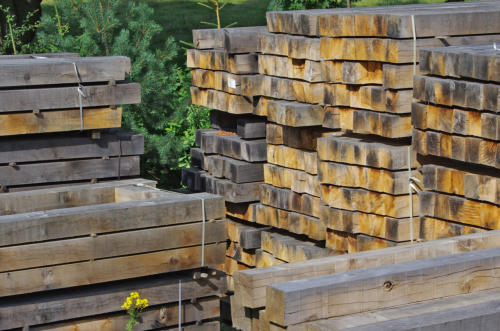
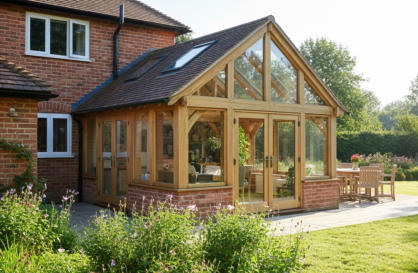
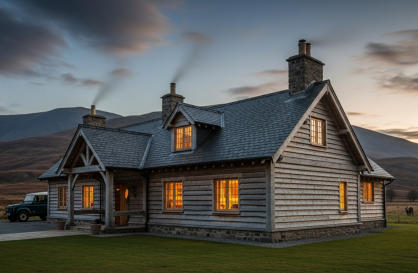
Oak patina refers to the natural surface character that develops on oak wood as it ages. It’s highly valued in furniture, architecture and antiques because it signals authenticity, age and use rather than wear-and-tear damage. Most photographs in brochures or on websites show oak buildings as a creamy gold colour, this is because most photographs are taken within twelve months of the building being constructed. Externally, oak frames will change in colour to a grey colour (unless stained) but internally the oak will retain the creamy warm gold colour for many years.
What creates patina on oak
Oak patina forms through a combination of:
•
Oxidation – exposure to air slowly darkens the wood
•
Light (UV exposure) – especially sunlight, which deepens colour over
decades
•
Tannins – oak is rich in tannic acid, which reacts with air, moisture,
and metals
•
Handling and use – oils from hands, abrasion and polishing soften
edges and add warmth
•
Time – true patina can’t be rushed completely; it accumulates over
years or centuries
How oak patina looks
Depending on age and environment, patinated oak may show:
•
Warm honey, amber, or deep brown tones
•
Subtle variation in colour (not flat or uniform)
•
Slight darkening around joints, carvings, or touch points
•
A soft sheen rather than a glossy finish
•
Visible grain with depth and contrast
In historic buildings and furniture, oak patina often has a “smoky” or mellow glow that modern finishes struggle to replicate.
Historical context
Because oak was widely used in:
•
Medieval and Tudor buildings
•
Churches and monasteries
•
English and European furniture (16th–18th centuries)
…oak patina is strongly associated with heritage interiors. Conservators take great care
not to remove it, as stripping oak destroys historical value and evidence of age.
Can oak patina be recreated?
Partially - but it’s never identical to real age.
Common methods include:
•
Fuming with ammonia (reacts with oak tannins to darken it)
•
Iron solutions (vinegar + steel wool) to create grey-brown tones
•
Oil finishes (linseed, tung) to warm and deepen colour
•
Gentle wear and repeated waxing over time
These can mimic colour, but not the layered complexity of genuine patina.
Why people value oak patina
•
Signals authenticity and craftsmanship
•
Adds visual depth and warmth
•
Increases antique and architectural value
•
Connects objects to history and long-term use

© 2016
Oak patina
Oak patina refers to the natural surface character that develops on oak wood as it ages. It’s highly valued in furniture, architecture and antiques because it signals authenticity, age and use rather than wear- and-tear damage. Most photographs in brochures or on websites show oak buildings as a creamy gold colour, this is because most photographs are taken within twelve months of the building being constructed. Externally, oak frames will change in colour to a grey colour (unless stained) but internally the oak will retain the creamy warm gold colour for many years.

1.
What creates patina on oak
Oak patina forms through a combination of: • Oxidation – exposure to air slowly darkens the wood • Light (UV exposure) – especially sunlight, which deepens colour over decades • Tannins – oak is rich in tannic acid, which reacts with air, moisture, and metals • Handling and use – oils from hands, abrasion and polishing soften edges and add warmth • Time – true patina can’t be rushed completely; it accumulates over years or centuries How oak patina looks Depending on age and environment, patinated oak may show: • Warm honey, amber, or deep brown tones • Subtle variation in colour (not flat or uniform) • Slight darkening around joints, carvings, or touch points • A soft sheen rather than a glossy finish • Visible grain with depth and contrast In historic buildings and furniture, oak patina often has a “smoky” or mellow glow that modern finishes struggle to replicate. Historical context Because oak was widely used in: • Medieval and Tudor buildings • Churches and monasteries • English and European furniture (16th–18th centuries) …oak patina is strongly associated with heritage interiors. Conservators take great care not to remove it, as stripping oak destroys historical value and evidence of age. Can oak patina be recreated? Partially - but it’s never identical to real age. Common methods include: • Fuming with ammonia (reacts with oak tannins to darken it) • Iron solutions (vinegar + steel wool) to create grey-brown tones • Oil finishes (linseed, tung) to warm and deepen colour • Gentle wear and repeated waxing over time These can mimic colour, but not the layered complexity of genuine patina. Why people value oak patina • Signals authenticity and craftsmanship • Adds visual depth and warmth • Increases antique and architectural value • Connects objects to history and long-term use









 About
About
 Products
 Quotations
 Technical
 News
News
 Blog
Blog
 Inspiring Oak Frame Extension Ideas for Your Home
- Which Extension Style Should You choose?
 Jungle of Regulation Is Choking Small-Scale Development
 Is an Oak Frame Conservatory the Perfect Extension for Your Home?
 Oak Frame Flat Roof Extensions
 What should I consider when designing an oak frame extension?
 Contact
 Frequently Asked Questions
 Self Build
 Oak Frame Design
 Grades of Oak
 Longevity of Oak
 Services
 The Process
 Design Requirements
 Site Preparation
 Sustainability
 Construction Methods
 Feasibility Study
 Gallery
 Garages
 Single Storey Garages
 Two Storey Garages
 Garage Complexes
 Extensions
 Garden Rooms
 More Info
 Conservatories
 More Info
 Traditional Orangeries
 Mansard Orangeries
 Garden Buildings
 Annexes
 Entertainment Spaces
 Home Offices
 Shelters
 Pool Buildings
 Stables
 House Designs
 Commercial
 Barn Buildings
 Sport Buildings
 Bespoke Buildings
 Single Storey Garage
 Two Storey Garage
 Garden Rooms, Orangeries & Offices
 Design
 Architectural Design
 Case Studies
 Oak Framing History
 Glossary of Oak Framing
 Oak Patina
 Garage Frame Sections
 Cladding
 Planning
 Planning Reports
 Building Regulations
 Non-Designated Heritage Assets
 Caravan Sites
 Groundworks
 Assembly
 Supply Only Kits
 Turnkey Projects
 Joinery
 Glazing Options
 Lanterns
 Roof Works
 Roof Styles
 Roof Trusses
 Roof Tiling
 Albion Oak
 Employee of the Month
menu html5 by Css3Menu.com


© 2016 - Need help? Contact us on 07967 778808
