Listed buildings
Listed buildings are a central part of heritage protection in England and across the UK, designed to preserve structures of architectural or historic importance. Understanding how they work helps make sense of planning rules, development constraints and the broader idea of protecting the built environment.
Oak Framing and Listed Buildings
What is a listed building?
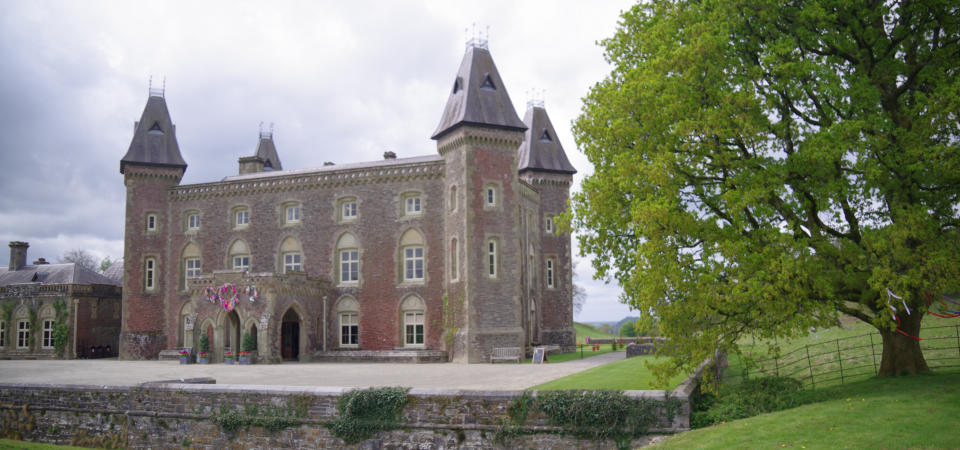
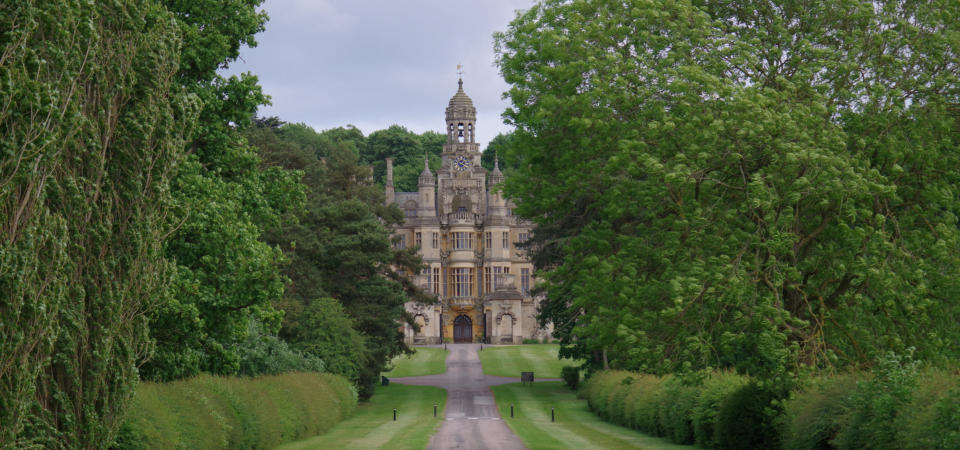
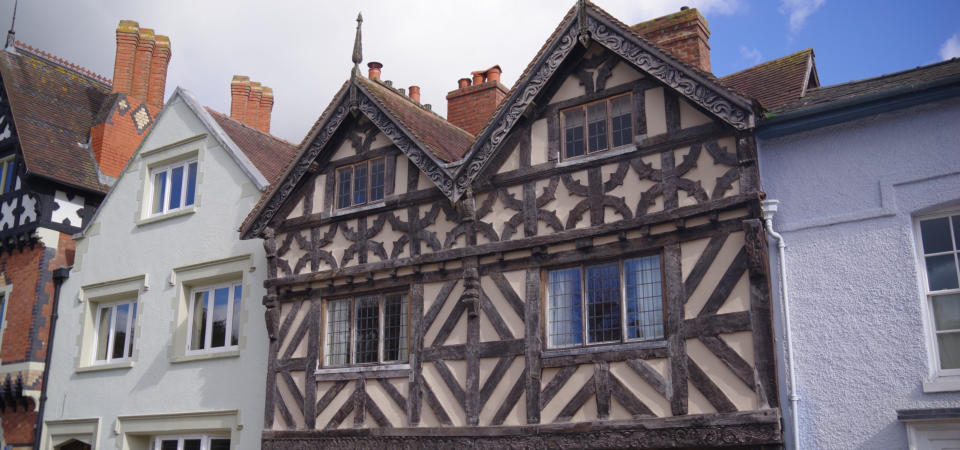
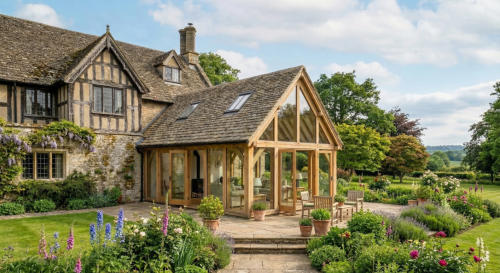
A listed building is a structure officially recognised for its special architectural or historic interest and placed on a statutory list maintained by the government. In England, this system is administered by Historic England under legislation such as the Planning (Listed Buildings and Conservation Areas) Act 1990. Once a building is listed, it gains legal protection - meaning you cannot alter, extend or demolish it without permission. This doesn’t mean that it’s impossible to add an extension to a listed building, it just makes it a little more complicated. Oak frame extensions are however often considered a more favourable option as it is a traditional form of English building style and is liked by many planning authorities.The grading system
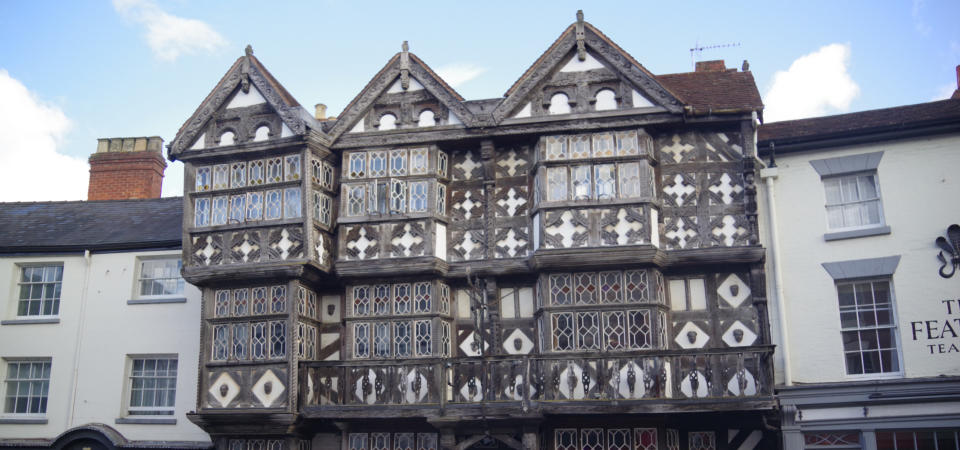
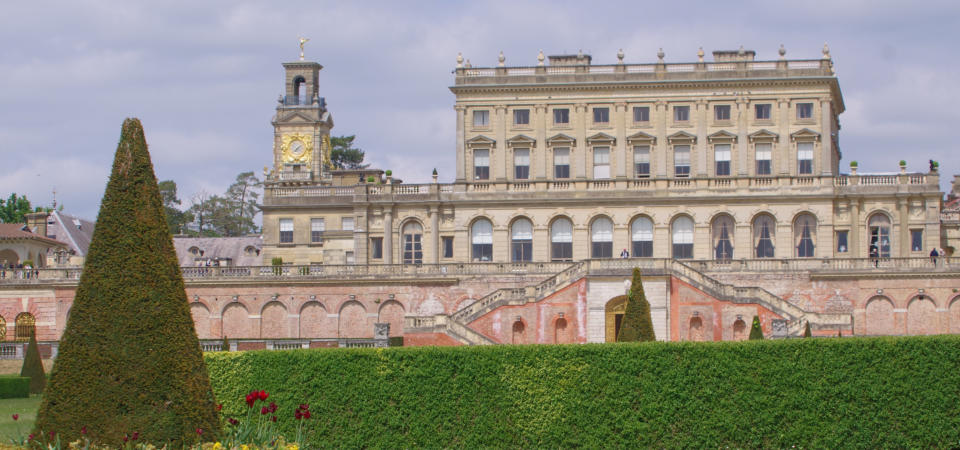
Listed buildings are classified into three grades based on their significance: ⭐ Grade I Buildings of exceptional interest Around 2.5% of all listings Examples include landmarks like St Paul's Cathedral ⭐⭐ Grade II* Particularly important buildings of more than special interest About 5.5% of listings ⭐⭐⭐ Grade II Buildings of special interest The vast majority (over 90%) fall into this category. Many pubs around the UK are Grade II listed such as the fabulous Fox at Lower Oddington near Moreton-in-Marsh in the Cotswolds. There are even some Grade I listed pubs although these are quite rare. The listing information for all buildings in England can be found at the Historic England website where full details can be searched to find all the information on why the property has been listed. What gets listed? A wide variety of structures can be listed, including: • Houses, cottages and terraces • Churches and civic buildings • Bridges, milestones and even telephone boxes • Industrial structures like mills or warehouses Listing doesn’t just cover the main building - it can also include: • Interior features (e.g. staircases, fireplaces) • Attached structures • Curtilage buildings (e.g. old barns within the property boundary)How are buildings selected?
Decisions are based on criteria such as: • Architectural interest (design, craftsmanship, innovation) • Historic interest (association with events or people) • Rarity (surviving examples of a type) • Group value (part of a larger historic setting) Age also matters: Buildings pre-1700 are almost always listed if intact, 1700–1850: most are listed and post-1945: must be exceptionally importantWhat does listing mean in practice?
If you own a listed building, you must get Listed Building Consent (LBC) from your local planning authority before: • Altering interiors or exteriors • Demolishing any part • Adding extensions This is separate from normal planning permission. Importantly: Even minor changes (like replacing windows or doors) may require consent and unauthorised works are a criminal offence.Living with a listed building
Owning one comes with responsibilities: You must maintain it properly, repairs often need to use traditional materials and techniques and costs can be higher than standard buildings. However, there are benefits: • Potential grant funding (limited) • Prestige and historic character • Contribution to cultural heritage Listed buildings vs other heritage designations It helps to distinguish listed buildings from related concepts: Conservation Areas: protect the character of a wider area, not individual buildings, Scheduled Monuments: protect archaeological sites, NDHA’s (Non-Designated Heritage Assets): locally important but not formally listed Common misconceptions ❌ “Only the exterior is protected” → interiors are often protected too ❌ “Grade II means low importance” → still nationally significant ❌ “You can’t change anything” → changes are possible, but controlledWhy it matters
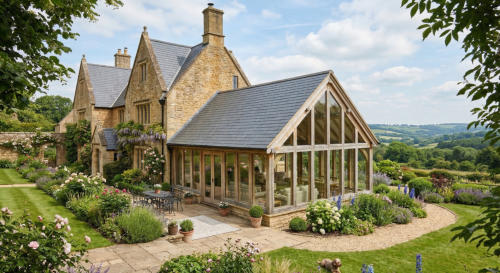
Listed buildings are a key part of the UK’s planning system and cultural identity. From medieval churches to Victorian terraces, they: • Preserve history in everyday landscapes • Shape local character and tourism • Influence development decisions We have a long history of designing oak extensions for listed buildings so if you are considering an extension on to a listed structure we may be able to help.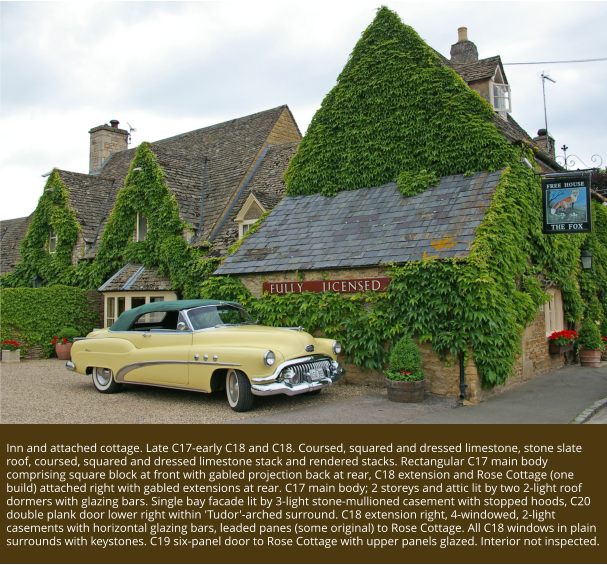

© 2016


 About
About
 Products
 Quotations
 Technical
 News
News
 Blog
Blog
 Inspiring Oak Frame Extension Ideas for Your Home
- Which Extension Style Should You choose?
 Jungle of Regulation Is Choking Small-Scale Development
 Is an Oak Frame Conservatory the Perfect Extension for Your Home?
 Oak Frame Flat Roof Extensions
 What should I consider when designing an oak frame extension?
 Contact
 Frequently Asked Questions
 Self Build
 Oak Frame Design
 Grades of Oak
 Longevity of Oak
 Services
 The Process
 Design Requirements
 Site Preparation
 Sustainability
 Construction Methods
 Feasibility Study
 Gallery
 Garages
 Single Storey Garages
 Two Storey Garages
 Garage Complexes
 Extensions
 Garden Rooms
 More Info
 Conservatories
 More Info
 Traditional Orangeries
 Mansard Orangeries
 Garden Buildings
 Annexes
 Entertainment Spaces
 Home Offices
 Shelters
 Pool Buildings
 Stables
 House Designs
 Commercial
 Barn Buildings
 Sport Buildings
 Bespoke Buildings
 Single Storey Garage
 Two Storey Garage
 Garden Rooms, Orangeries & Offices
 Design
 Architectural Design
 Case Studies
 Oak Framing History
 Glossary of Oak Framing
 Oak Patina
 Garage Frame Sections
 Cladding
 Planning
 Planning Reports
 Building Regulations
 Non-Designated Heritage Assets
 Caravan Sites
 Groundworks
 Assembly
 Supply Only Kits
 Turnkey Projects
 Joinery
 Glazing Options
 Lanterns
 Roof Works
 Roof Styles
 Roof Trusses
 Roof Tiling
 Albion Oak
 Employee of the Month
menu html5 by Css3Menu.com


© 2016 - Need help? Contact us on 07967 778808
