Non-Designated Heritage Assets
Don’t have a Listed Building? How, why - and crucially, when - are buildings that fall short of local listing nonetheless identified as non-designated heritage assets (NDHAs)?


The Traditional Craft of Designing Oak Frames
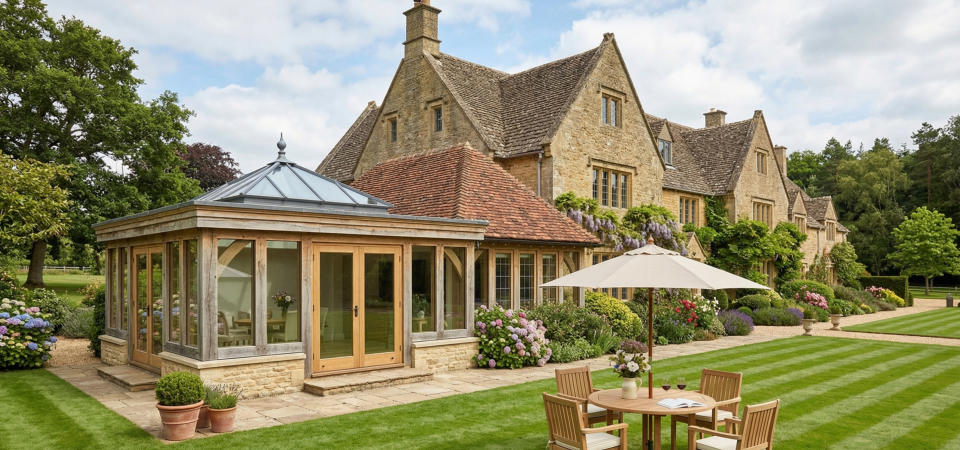
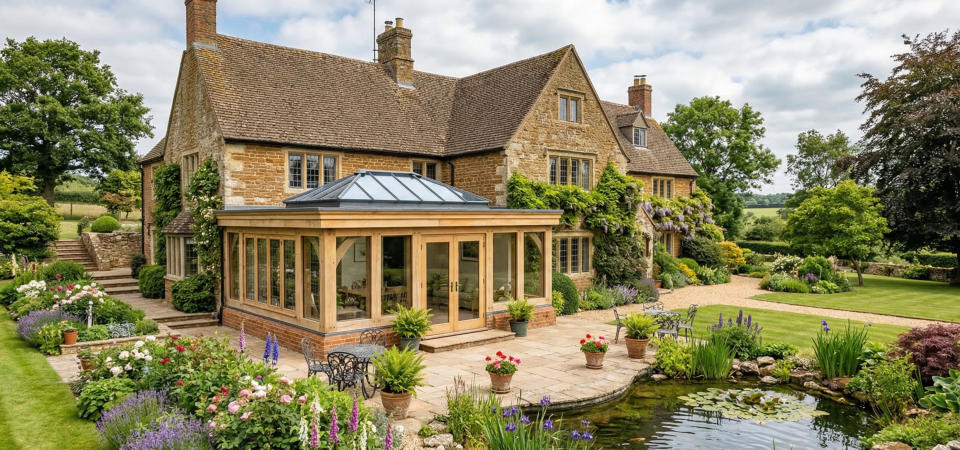
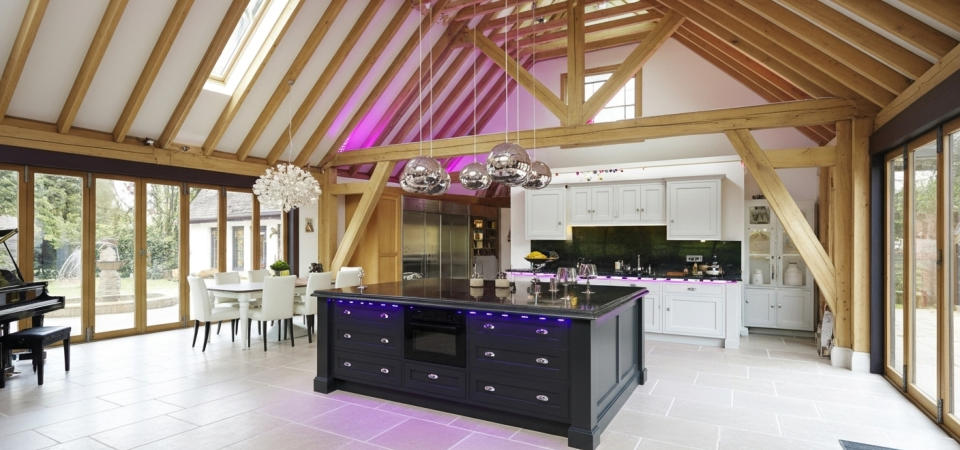
Oak frames complement any style of home Many people are familiar with the idea of a building being “locally listed,” whereby a local planning authority (LPA) recognises a heritage asset of some significance, albeit not enough to meet the criteria for statutory designation. The concept of a non-designated heritage asset, however, is broader and more recent. While all locally listed buildings are considered NDHAs, the reverse is not true - raising an important question about how other buildings come to be identified as such. In practice, LPAs can designate a building as an NDHA at any stage, though most are identified only after a planning application has been submitted. This timing can create significant uncertainty for applicants at a critical point in the development process. To address this, amendments to the Planning Practice Guide (PPG) in July 2019 clarified that NDHA identification should be the exception rather than the rule. Where a building is identified, there must be clear justification and credible evidence of heritage significance. Age alone, or inclusion in a Historic Environment Record (HER), is not sufficient. As the PPG emphasises, the vast majority of buildings hold little or no heritage value, and only a minority merit recognition as NDHAs. Nationally, the approach to identifying NDHAs is inconsistent. Some LPAs maintain local lists with defined selection criteria, offering a degree of transparency. However, since local listing is not synonymous with NDHA identification, gaps in understanding remain. At the other extreme are authorities without local lists, where the process can feel unpredictable - leaving developers and property owners unsure whether a building might be designated during the course of an application. A further issue is the absence of a formal, independent appeals process for NDHA designation. Applicants must instead challenge the LPA’s judgement within the planning process itself or pursue the matter through an appeal to a Planning Inspector, which can be both complex and uncertain. This lack of clarity has prompted increased involvement from the Planning Inspectorate, with several appeal decisions in recent years attempting to apply the updated PPG guidance. However, these decisions have not always been consistent, adding to the uncertainty. Overall, the identification of NDHAs remains a complex and often opaque area of the planning system. Without clearer national guidance - particularly around thresholds of significance and consistent criteria - it is likely to remain a source of confusion and contention for the foreseeable future.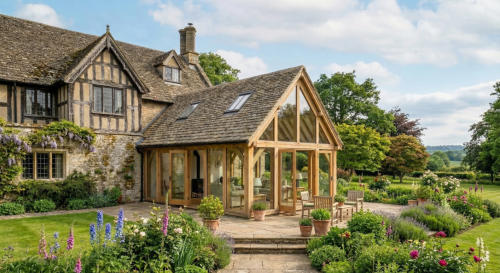

© 2016

Non-Designated Heritage Assets
Don’t have a Listed Building? How, why - and crucially, when - are buildings that fall short of local listing nonetheless identified as non-designated heritage assets (NDHAs)?The Traditional Craft of Designing Oak Frames
Oak frames complement any style of home Many people are familiar with the idea of a building being “locally listed,” whereby a local planning authority (LPA) recognises a heritage asset of some significance, albeit not enough to meet the criteria for statutory designation. The concept of a non-designated heritage asset, however, is broader and more recent. While all locally listed buildings are considered NDHAs, the reverse is not true - raising an important question about how other buildings come to be identified as such. In practice, LPAs can designate a building as an NDHA at any stage, though most are identified only after a planning application has been submitted. This timing can create significant uncertainty for applicants at a critical point in the development process. To address this, amendments to the Planning Practice Guide (PPG) in July 2019 clarified that NDHA identification should be the exception rather than the rule. Where a building is identified, there must be clear justification and credible evidence of heritage significance. Age alone, or inclusion in a Historic Environment Record (HER), is not sufficient. As the PPG emphasises, the vast majority of buildings hold little or no heritage value, and only a minority merit recognition as NDHAs. Nationally, the approach to identifying NDHAs is inconsistent. Some LPAs maintain local lists with defined selection criteria, offering a degree of transparency. However, since local listing is not synonymous with NDHA identification, gaps in understanding remain. At the other extreme are authorities without local lists, where the process can feel unpredictable - leaving developers and property owners unsure whether a building might be designated during the course of an application. A further issue is the absence of a formal, independent appeals process for NDHA designation. Applicants must instead challenge the LPA’s judgement within the planning process itself or pursue the matter through an appeal to a Planning Inspector, which can be both complex and uncertain. This lack of clarity has prompted increased involvement from the Planning Inspectorate, with several appeal decisions in recent years attempting to apply the updated PPG guidance. However, these decisions have not always been consistent, adding to the uncertainty. Overall, the identification of NDHAs remains a complex and often opaque area of the planning system. Without clearer national guidance - particularly around thresholds of significance and consistent criteria - it is likely to remain a source of confusion and contention for the foreseeable future.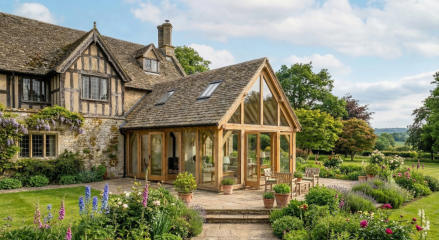
 About
About
 Products
 Quotations
 Technical
 News
News
 Blog
Blog
 Inspiring Oak Frame Extension Ideas for Your Home
- Which Extension Style Should You choose?
 Jungle of Regulation Is Choking Small-Scale Development
 Is an Oak Frame Conservatory the Perfect Extension for Your Home?
 Oak Frame Flat Roof Extensions
 What should I consider when designing an oak frame extension?
 Contact
 Frequently Asked Questions
 Self Build
 Oak Frame Design
 Grades of Oak
 Longevity of Oak
 Services
 The Process
 Design Requirements
 Site Preparation
 Sustainability
 Construction Methods
 Feasibility Study
 Gallery
 Garages
 Single Storey Garages
 Two Storey Garages
 Garage Complexes
 Extensions
 Garden Rooms
 More Info
 Conservatories
 More Info
 Traditional Orangeries
 Mansard Orangeries
 Garden Buildings
 Annexes
 Entertainment Spaces
 Home Offices
 Shelters
 Pool Buildings
 Stables
 House Designs
 Commercial
 Barn Buildings
 Sport Buildings
 Bespoke Buildings
 Single Storey Garage
 Two Storey Garage
 Garden Rooms, Orangeries & Offices
 Design
 Architectural Design
 Case Studies
 Oak Framing History
 Glossary of Oak Framing
 Oak Patina
 Garage Frame Sections
 Cladding
 Planning
 Planning Reports
 Building Regulations
 Non-Designated Heritage Assets
 Caravan Sites
 Groundworks
 Assembly
 Supply Only Kits
 Turnkey Projects
 Joinery
 Glazing Options
 Lanterns
 Roof Works
 Roof Styles
 Roof Trusses
 Roof Tiling
 Albion Oak
 Employee of the Month
menu html5 by Css3Menu.com


© 2016 - Need help? Contact us on 07967 778808
